

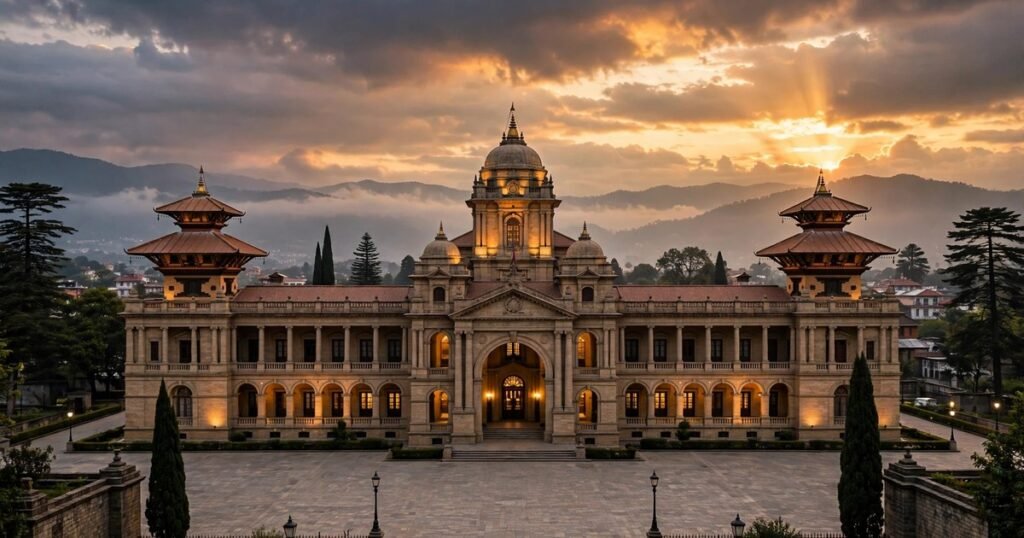
Nepal government spending transparency starts with a simple idea: public money is public, and any citizen should be able to follow it from the budget speech to the road outside their house. Every year the government collects taxes from millions of Nepalis and spends trillions of rupees in their name. Yet for most people, that money disappears into a black box the moment the budget is announced. This guide explains, in plain language, the six tools any citizen can use to check how Nepal’s government spends money — the budget, the spending data, the Auditor General’s report, procurement records, the right to information, and the scorecards that measure it all.
Table of Contents
- Nepal Government Spending Transparency: Start with the Budget
- Nepal Government Spending Transparency: Watch the Money as It Is Spent
- Nepal Government Spending Transparency: Read the Auditor General’s Report
- Nepal Government Spending Transparency: Check Who Won the Contract
- Nepal Government Spending Transparency: Ask for the Document Yourself
- Nepal Government Spending Transparency: How Nepal Scores
- When the Numbers Don’t Add Up
- Frequently Asked Questions
- Sources
Table of Contents
Nepal Government Spending Transparency: Start with the Budget
The budget is the first and most important document in Nepal government spending transparency. It is the government’s spending plan for the year, presented to Parliament every year on 15 Jestha (late May). For fiscal year 2083/84 (2026/27), Finance Minister Dr Swarnim Wagle presented a total budget of Rs 2,124.34 billion on 29 May 2026. That money is divided into three buckets: Rs 1,270.58 billion (59.8 percent) for recurrent spending such as salaries, pensions and day-to-day running costs; Rs 431.10 billion (20.3 percent) for capital spending on roads, schools, hospitals and other infrastructure; and Rs 422.64 billion (19.9 percent) for financial management, mostly repaying old loans.
The money to pay for it comes from four sources: Rs 1,405.31 billion in revenue, Rs 61.74 billion in foreign grants, Rs 247.28 billion in foreign loans, and Rs 410 billion in domestic borrowing. The gap between what the government plans to spend and what it expects to collect — about Rs 657 billion — is covered by borrowing. When you read the budget, the first question to ask is always the same: how much of it is for building things, and how much is for keeping the lights on? In Nepal, the answer is usually about 60 percent running costs and 20 percent building.
You do not need to read the full budget speech to do this. The Ministry of Finance publishes a Citizen Budget — a simplified, plain-language version of the annual budget — and the full budget documents are available on the Ministry’s website at mof.gov.np. Our plain-language guide to Nepal’s budget for 2026/27 explains the current budget line by line, and our explainer on how local governments spend your tax money follows the Rs 314.62 billion that flows to the 753 local levels.
Nepal Government Spending Transparency: Watch the Money as It Is Spent
A budget is only a promise. Nepal government spending transparency also means checking whether the money was actually spent — and the Financial Comptroller General Office (FCGO) publishes that data every month. The FCGO is the government’s chief accountant: it runs the Treasury Single Account through which all federal payments pass, and it publishes a monthly statement of how much has been spent against each budget heading.
The pattern it reveals is worth knowing. By the end of Kartik 2083 — the first four months of the current fiscal year — the government had spent Rs 496.52 billion, or 23.37 percent of the annual budget. Recurrent spending was on track at 27.29 percent, but capital spending, the money for building things, stood at just 7.53 percent: only Rs 32.44 billion of the Rs 431.10 billion allocated. This is not a one-year problem. In the previous fiscal year, capital spending reached only 15.62 percent after seven months and about 19 percent after eight months. Year after year, Nepal budgets big for development and spends a fraction of it, while salaries and debt payments go out on time.
The FCGO also publishes the annual Consolidated Financial Statements — the government’s full accounts for the year, including all three tiers of government — at fcgo.gov.np. If you want to know whether a project in your district actually received its money, the monthly FCGO releases are the place to start.
Nepal Government Spending Transparency: Read the Auditor General’s Report
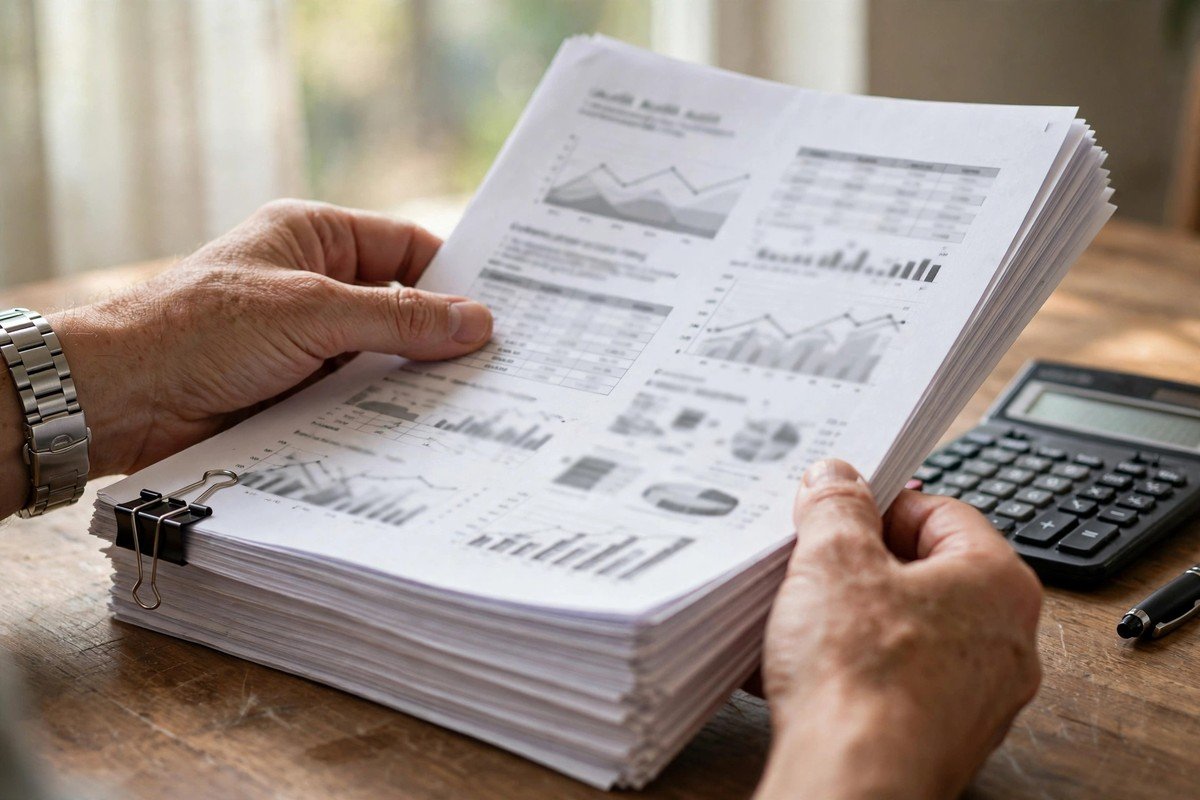
The strongest single tool for Nepal government spending transparency is the annual report of the Office of the Auditor General (OAG). The Auditor General is a constitutional body: Article 241 of the Constitution gives it the job of auditing every federal, provincial and local government office, and it must report to the President every year. Its report names names — which ministries, provinces and local governments spent money wrongly, and how much.
The 63rd annual report, covering fiscal year 2024/25 and submitted by Auditor General Toyam Raya, found fresh financial irregularities of Rs 88.09 billion in a single year. Added to unresolved irregularities from earlier years, the country’s total outstanding arrears now stand at Rs 755.17 billion. Of that, Rs 378.54 billion sits with federal government offices, Rs 220.47 billion with local governments, Rs 33.96 billion with provinces, and Rs 122.20 billion with committees and other institutions. The audit covered accounts worth Rs 9.48 trillion across 5,526 public offices — but 179 offices failed to submit their accounts at all, leaving Rs 147.9 billion beyond audit, after the September 2025 protests disrupted record-keeping.
Arrears here do not automatically mean theft. The report divides them into amounts to be recovered (Rs 32.64 billion), spending that needs formal regularisation (Rs 50.26 billion), and uncleared advances (Rs 5.17 billion). Much of it is bad bookkeeping, missing paperwork and rules not followed. But the number matters because it keeps growing: Rs 733.19 billion a year earlier, Rs 755.17 billion now. When a minister says the system is clean, the Auditor General’s report is the document that tests the claim. It is published every year and reported widely in the Nepali press — search for “Auditor General annual report” and read the summary before you believe any spending claim.
Nepal Government Spending Transparency: Check Who Won the Contract
Most government money leaves through contracts — a road, a school building, a supply of medicines — and Nepal government spending transparency means being able to see who won each contract and for how much. That is the job of the Public Procurement Act 2063 (2007) and the Public Procurement Monitoring Office (PPMO), which sits under the Office of the Prime Minister and Council of Ministers.
Almost all government tenders now run through the electronic government procurement system, e-GP, at bolpatra.gov.np/egp. Tender notices, bidding documents and contract awards are published there, and any citizen can search them. If a road in your area was supposed to cost Rs 50 million and took three years, the tender record will show who won the contract, at what price, and when it was supposed to finish. Parliament amended the Procurement Act in 2026 — an ordinance in April, followed by a replacement bill passed in July — so some procedures are still being updated, but the principle is unchanged: public buying must be open, competitive and on the record.
Nepal Government Spending Transparency: Ask for the Document Yourself
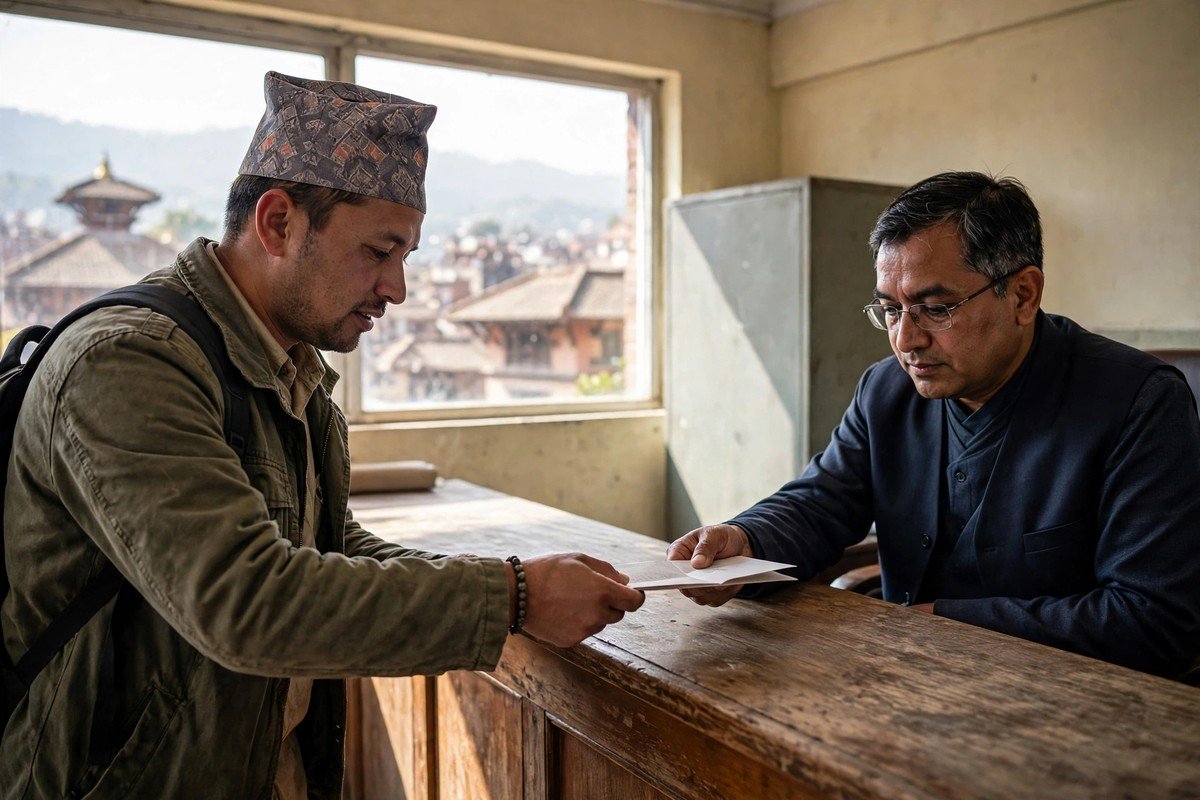
If the document you want is not published anywhere, the law gives you the right to ask for it. Article 27 of the Constitution of Nepal guarantees every citizen the right to demand and receive information on any matter of public interest, and the Right to Information Act 2064 (2007) turns that right into a process. Any citizen can file a written request with the Information Officer of any public body — a ministry, a municipality, a public enterprise — without giving a reason. The body must respond within 15 days, or within 24 hours if the information concerns someone’s life or liberty.
Public bodies must also publish key information on their own, every three months: their structure, officials, services, budget, decisions and spending. If your request is refused, you can appeal to the National Information Commission, established in 2008, which can order the information released and fine officials between Rs 1,000 and Rs 25,000 for unreasonably withholding it. The right to information is the backstop of Nepal government spending transparency: when publication fails, a citizen’s letter can still open the file.
Nepal Government Spending Transparency: How Nepal Scores
How does Nepal compare with other countries? The Open Budget Survey, run by the International Budget Partnership, scores countries on how much budget information they publish. In the 2025 survey Nepal scored 52 out of 100 on budget transparency — up from 50 in 2023 and 39 in 2021, and ahead of every South Asian neighbour. But 52 is still below the score of 61 that the survey considers the minimum for informed public debate, and Nepal scored only 28 out of 100 on public participation in the budget process. The picture is consistent: Nepal publishes more budget information than it used to, and its audit institution is strong, but ordinary citizens still have few real chances to take part in budget decisions.
That is why the tools in this guide matter. The budget is published, the spending data is monthly, the audit report names names, tenders are online, and the law lets you ask for the rest. Transparency in Nepal is no longer mainly a problem of documents that do not exist. It is a problem of documents that exist but are rarely read — and of findings, like Rs 755 billion in arrears, that rarely lead to consequences.
When the Numbers Don’t Add Up
Checking is only useful if something happens next. If you find spending that looks wrong, there are three places to take it. First, the Commission for the Investigation of Abuse of Authority (CIAA), the constitutional anti-corruption body, can investigate public officials. Second, Parliament’s Public Accounts Committee examines the Auditor General’s report and can summon officials to explain irregularities. Third, the press and civil society organisations — including the Freedom Forum, which tracks budget transparency in Nepal — regularly use these same documents to hold spending to account. A single citizen’s question rarely changes a budget. A question backed by the Auditor General’s report, the FCGO data and a procurement record is much harder to ignore.
Nepal government spending transparency is not a slogan. It is a set of documents, deadlines and offices that already exist — and now you know where to find them.
Frequently Asked Questions
What is Nepal government spending transparency?
Nepal government spending transparency is the public’s ability to see how the government raises and spends money — through the published budget, monthly spending data from the Financial Comptroller General Office, the Auditor General’s annual report, online tender records, and the right to information.
Where can I check how much of Nepal’s budget has actually been spent?
The Financial Comptroller General Office publishes monthly spending figures at fcgo.gov.np. By the end of Kartik 2083, the government had spent 23.37 percent of the FY 2083/84 budget, but only 7.53 percent of the capital budget.
How big is Nepal’s budget for 2026/27?
The budget for fiscal year 2083/84 (2026/27) is Rs 2,124.34 billion: Rs 1,270.58 billion for recurrent spending, Rs 431.10 billion for capital spending, and Rs 422.64 billion for financial management.
What did the Auditor General find in the latest report?
The 63rd annual report (FY 2024/25) found fresh irregularities of Rs 88.09 billion, taking total outstanding arrears to Rs 755.17 billion across federal, provincial and local governments.
How do I file a right to information request in Nepal?
Write to the Information Officer of the public body concerned. Under the Right to Information Act 2064, the body must reply within 15 days (24 hours for life-or-liberty matters). If refused, appeal to the National Information Commission.
Where can I see who won a government contract?
Government tenders and awards are published on the e-GP portal at bolpatra.gov.np/egp, run by the Public Procurement Monitoring Office.
Sources
- Ministry of Finance, Budget Speech, Fiscal Year 2083/84 (29 May 2026); Citizen Budget FY 2083/84 — mof.gov.np
- Financial Comptroller General Office, monthly expenditure data to end-Kartik 2083; Consolidated Financial Statements FY 2024/25 — fcgo.gov.np
- Office of the Auditor General, 63rd Annual Report, FY 2024/25 (submitted May 2026)
- International Budget Partnership, Open Budget Survey 2025 and Open Budget Survey 2023, Nepal country results
- Constitution of Nepal 2015, Articles 27, 119, 238, 241 and 294; Right to Information Act 2064 (2007); Public Procurement Act 2063 (2007); Financial Procedure and Fiscal Responsibility Act 2076 (2019)
- National Information Commission, Handbook for Public Bodies (2024)