PR
Pramila Rai
Feb 18, 2026 • 10 min read
Rupandehi-2 has emerged as one of the most competitive constituencies in the 2026 House of Representatives election, drawing an unprecedented 35 candidate nominations, the highest in the country alongside Rupandehi-3. This intense interest reflects a broader political shift occurring in Nepal, where anti-establishment sentiment is challenging traditional power structures.
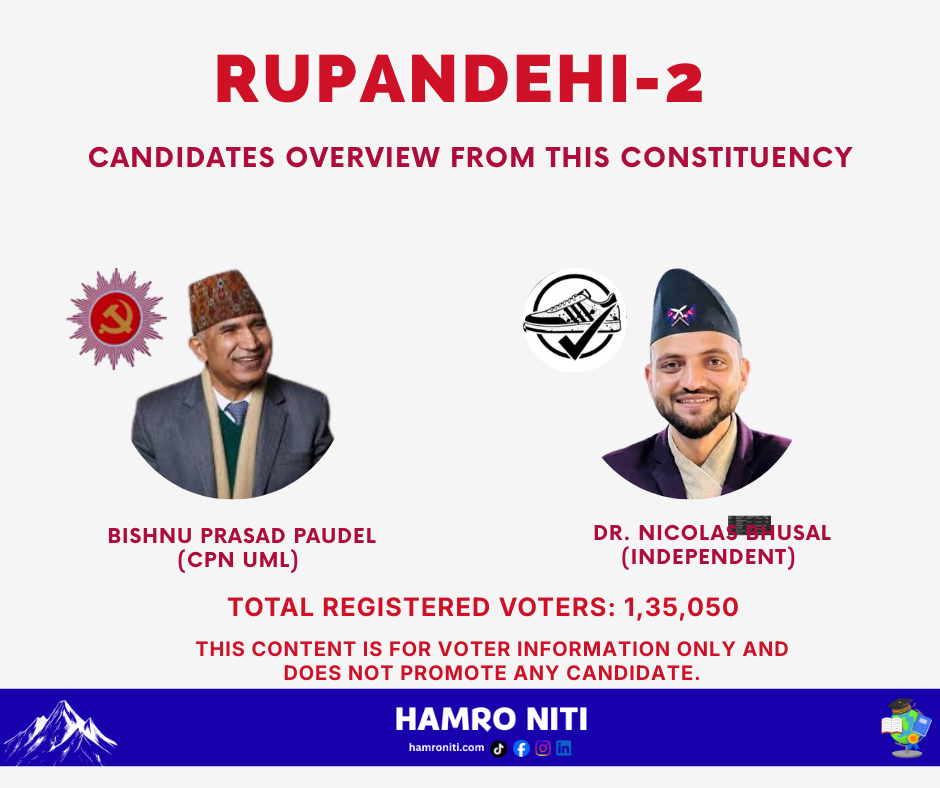
The constituency encompasses Butwal Sub-metropolitan City (wards 1-13), Tilottama Municipality (wards 1-6), and Sainamaina Municipality (wards 1-4), representing 135,050 registered voters in Lumbini Province. The race features a compelling contrast: CPN-UML veteran Bishnu Prasad Paudel seeking his fifth consecutive term against independent candidate Dr. Nicolas Bhusal, a controversial youth activist who has become one of the faces of Nepal’s Gen-Z movement.
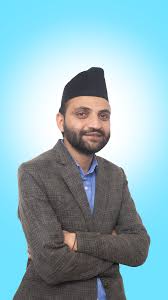
Election Symbol: Shoe

Dr. Nicolas Bhusal, 26 years old, also known as Kamal Bhusal, is a medical doctor currently serving as a resident at Tribhuvan University Teaching Hospital. Bhusal studied medicine at Lumbini Medical College (Class of 2018) and earlier attended Nobel Academy. Alongside his medical career, he has been actively involved in political activism for approximately five years, gaining wider public attention as a prominent voice during the 2025 anti-corruption protests in Kathmandu.
Bhusal’s entry into politics was unconventional, he came not through party structures but through street activism. He founded and led Youth For Nation, an organization that organized sustained protests at Maitighar Mandala, Kathmandu’s traditional protest ground. His activism focused on demanding systemic reforms, constitutional changes, and accountability from Nepal’s political establishment.
His confrontational style has resulted in multiple arrests. Police detained him in May 2024 for chanting slogans on Supreme Court premises in support of cricketer Sandeep Lamichhane, in September 2025 at Maitighar while attempting to lead a Gen-Z protest, in November 2025 from Gorkha for making controversial statements on social media, and in December 2024 for taking and publicizing a photo of RSP Chairman Rabi Lamichhane during police custody. Most recently, in December 2025, he was detained again during protests against Interim Prime Minister Sushila Karki’s government.
Bhusal attempted to contest Rupandehi-2 as an independent candidate in the 2022 (2079 BS) election, but his nomination was rejected by the Election Commission on eligibility grounds. According to official statements, he was disqualified because he was receiving financial support from the Nepal government while pursuing his medical education, a status that rendered him ineligible to contest elections under existing electoral laws.
For the 2026 election, Bhusal initially received nomination from Nepal Janasewa Party but ultimately chose to run as an independent candidate, citing his belief that political parties have “consistently failed to address the real concerns of young people.” His decision to contest independently with the shoe as his election symbol reflects his positioning as an outsider challenging the political establishment.
Bhusal’s platform centers on both national reform and local development issues:
National Agenda:
Local Development Focus:
Beyond electoral politics, Bhusal has organized several free health camps in Rupandehi, leveraging his medical background for community service. He has been vocal about cannabis legalization and has admitted to personal cannabis use in public statements—a stance that has generated both support and controversy.
His activism during the Gen-Z movement, which led to the dissolution of parliament and early elections, positioned him as a leader of youth-driven political change. However, his confrontational approach has also drawn criticism. Police have accused him of making statements that could incite violence, including social media posts threatening to “surround the houses” of political leaders like former Prime Minister KP Sharma Oli and former Home Minister Ramesh Lekhak.
Strengths:
Weakness:
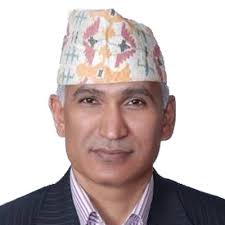
Born on November 20, 1959, in Syangja District, Bishnu Prasad Paudel is now 66 years old. After completing his School Leaving Certificate (SLC) in 1977, he moved to Rupandehi and began his career as a primary school teacher. However, influenced by communist ideologies, he resigned from teaching at age 18 to join the Communist Party full-time.
Paudel’s political activism began during Nepal’s autocratic Panchayat era, when he faced imprisonment for opposing the regime’s restrictions on dissent and multi-party democracy. He famously escaped from Bhairahawa Jail after 45 days of preparation, cementing his reputation as a committed activist willing to sacrifice personal freedom for political change.
Following Nepal’s transition to democracy in 1990, Paudel became a founding member of CPN-UML when it was formed through the merger of CPN (Marxist-Leninist) and CPN (Marxist) in January 1991. Over four decades, he has risen through party ranks to become Vice-Chairman, making him one of the most senior and influential leaders in Nepal’s largest communist party.
His career trajectory reflects resilience through Nepal’s volatile political landscape, including the 2018-2021 Nepal Communist Party merger (which later dissolved), and consistent alignment with party Chairman KP Sharma Oli’s faction.
Paudel is a five-time parliamentarian with an impressive electoral record:
This electoral history demonstrates both dominance and vulnerability. While Paudel has won four consecutive times from Rupandehi, the 2022 margin of just 1,366 votes suggests his support may be eroding in the face of new political forces.
Paudel has held several critical ministerial positions throughout his career:
His repeated appointment as Finance Minister demonstrates the party’s trust in his economic management capabilities. During the COVID-19 pandemic, he introduced relief measures including subsidized credit facilities for affected businesses and reduction in stock brokerage commissions. In May 2025, he presented the national budget for fiscal year 2025-26, emphasizing capital expenditure and economic growth.
As a CPN-UML candidate, Paudel’s platform aligns with the party’s Marxist-Leninist ideology while emphasizing his personal track record:
Paudel has specifically highlighted his role in transforming Rupandehi into what he calls a “model district” through various development initiatives, though he acknowledges that “there are still plans that need to be completed.”
Significantly, Paudel was serving as Deputy Prime Minister and Finance Minister in KP Sharma Oli’s government when the Gen-Z movement erupted in September 2025. During violent protests in Kathmandu, demonstrators specifically targeted Paudel, and he was reportedly assaulted during the unrest. On Constitution Day (September 19, 2025), Paudel publicly apologized for “personal mistakes and weaknesses, as well as the CPN-UML’s shortcomings in addressing youth concerns.”
The Gen-Z protests forced Prime Minister Oli’s resignation on September 9, 2025, leading to the dissolution of parliament and the appointment of interim Prime Minister Sushila Karki. These events provide crucial context for the current election, as voters in Rupandehi-2 must decide whether to return Paudel despite his association with the government that sparked widespread youth protests.
Strengths:
Weakness:
The 35-candidate field in Rupandehi-2 includes several other significant contenders:
Chunna Paudel (Nepali Congress): Business tycoon positioned to appeal to Butwal’s business community, representing the party now led by Gagan Thapa after his recent victory over Sher Bahadur Deuba.
Sulabh Kharel (Rastriya Swatantra Party): Lawyer and youth leader who gained attention handling early legal issues for RSP President Rabi Lamichhane; positioned as a candidate with legal expertise.
Bishwadeep Pande (Nepali Communist Party): 39-year-old central committee member in charge of social media and publicity, seeking to build trust with youth voters in his first electoral contest.
However, the Nepali Communist Party withdrew its candidate from Rupandehi-2, potentially consolidating anti-UML votes among other candidates.
The Rupandehi-2 race encapsulates Nepal’s broader political tensions. On one side stands Bishnu Prasad Paudel, representing establishment politics, ministerial experience, and proven development delivery but also association with the government that sparked mass protests. On the other stands Dr. Nicolas Bhusal, representing youth frustration, anti-corruption activism, and demands for systemic reform but also controversial methods and no governance experience.
The 2022 result, where Paudel won by just 1,366 votes despite his incumbency and party machinery, suggests that the constituency is highly competitive. The emergence of RSP (whose candidate received 25,781 votes in 2022) demonstrated that voters were willing to support alternatives to traditional parties.
For 2026, the key questions are: Will Paudel’s association with the ousted government cost him the seat? Can Bhusal translate youth activism into electoral success? Or will the crowded 35-candidate field split the anti-UML vote, allowing Paudel to win with a plurality?
The constituency’s demographics, a mix of urban Butwal residents and voters from smaller municipalities, create diverse priorities. Urban educated voters may be drawn to Bhusal’s reform agenda, while rural voters may prioritize Paudel’s development track record. Business communities may favor Nepali Congress candidate Chunna Paudel, while young voters could split between RSP’s Kharel and independent Bhusal.
With 135,050 voters set to decide on March 5, 2026, Rupandehi-2 stands as one of the most watched contests in Nepal’s election, a referendum not just on two candidates, but on whether Nepal’s political establishment can survive the demand for generational change.
Note to Voters: This guide provides factual information about the major candidates. Voters are encouraged to research each candidate’s full platform, attend campaign events, and make informed decisions based on their own priorities and values.