PR
Pramila Rai
Feb 18, 2026 • 5 min read
Disclaimer: This content is for voter information only and does not endorse or promote any candidate.
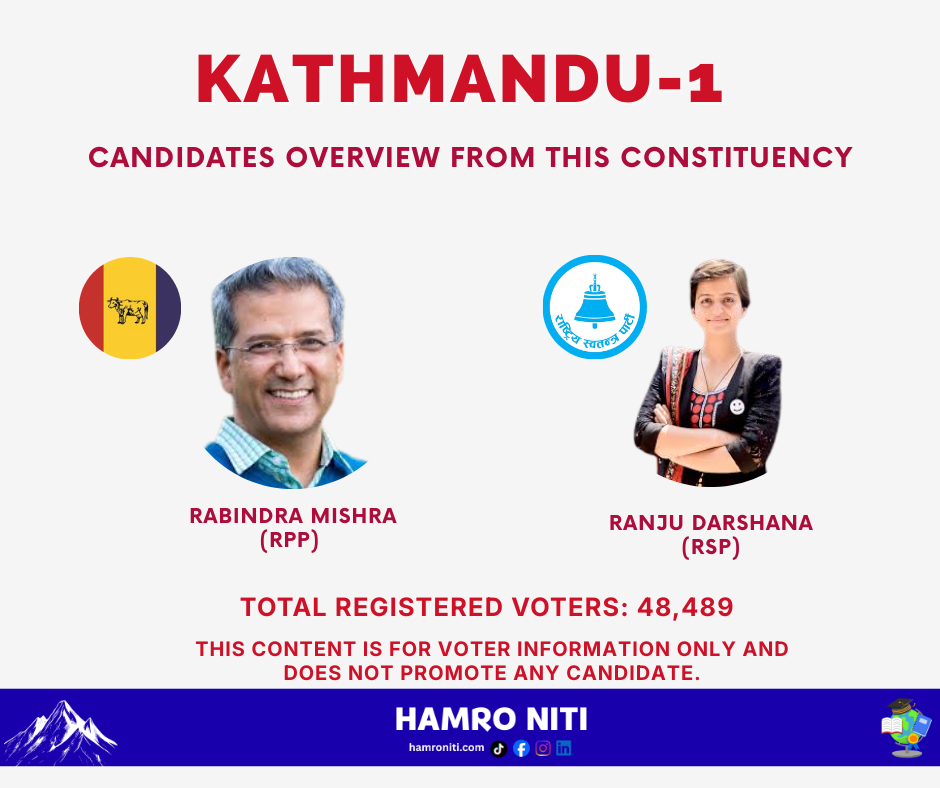
Kathmandu-1 is emerging as one of the most closely watched constituencies in Nepal’s upcoming House of Representatives election scheduled for March 5, 2026. Covering wards 10, 11, 29, and 31 of Kathmandu Metropolitan City, this constituency has 48,489 registered voters and has historically been a high-profile battleground for political parties.
The constituency’s significance stems from its competitive electoral history. In the 2022 election, the winning margin was a razor-thin 125 votes, making it one of the tightest races in the country. This time, the contest features several notable candidates representing different political ideologies and generational perspectives.
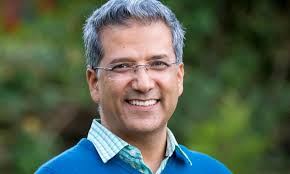
Born in 1967 in Kathmandu, Rabindra Mishra, now 58 years old, brings a distinguished academic background to politics. He holds a Master’s degree in English Literature from Tribhuvan University, a Master’s in Journalism from the University of the Punjab in Pakistan, and studied International Politics at the University of London. Before entering politics, Mishra served as editor-in-chief of BBC Nepali Service from 2006 to 2017, establishing himself as one of Nepal’s most recognized media personalities.
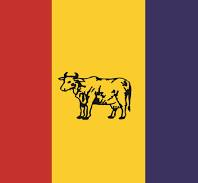
Mishra’s political career began in 2017 when he resigned from the BBC, stating his aim to “create a common platform to bring together honest and capable Nepalis from all walks of life for the sake of clean politics.” He founded the Sajha Party, which later merged with Bibeksheel Nepali Dal to form Bibeksheel Sajha Party. In September 2022, he joined the Rastriya Prajatantra Party and currently serves as Senior Vice-President.
This marks Mishra’s third consecutive attempt to win Kathmandu-1:
Mishra’s platform centers on development-focused governance, economic policy reform, and constitutional monarchy restoration. He advocates for what he terms “welfare democracy” and has positioned himself as an alternative to traditional party politics. His campaign emphasizes free and quality public education, healthcare, and social security as fundamental rights.
Beyond electoral politics, Mishra founded the global charity Help Nepal Network, which operates in 14 countries entirely through volunteers. The organization has constructed over 100 classrooms, runs an orphanage in Dhulikhel, and operates a health post in remote Mugu district.
After his 2022 defeat, he launched the Kathmandu-1 Welfare Fund with Rs 2.5 million in seed funding from book sales and personal contributions, directing resources toward constituency development. He has also authored four bestselling books, donating royalties to support Nepal’s Chepang community and other causes.
Strong local presence built over consecutive campaigns, recognized name from media career, demonstrated commitment to constituency through welfare initiatives, narrowing vote margins indicate growing support.
Association with controversial pro-monarchy agenda may alienate secular and progressive voters; party position remains relatively weak in the constituency despite personal performance.
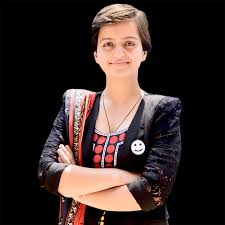
Born in 1996 in Kathmandu to a single mother, Ranju Darshana, now 29 years old, represents a new generation of Nepali politicians. She holds a Bachelor’s degree in Development Studies from Kathmandu University and a Master’s degree in Political Science from Tribhuvan University. She is currently pursuing a Post Graduate Diploma in Counseling Psychology and works as a part-time faculty member at Thames International College.

Darshana entered politics at age 17 through the Bibeksheel Nepali Party in 2013, drawn to its non-violent approach and citizen-centric politics. She rose through party ranks, becoming a central committee member and media coordinator. After remaining neutral during various party splits and mergers, she joined the Rastriya Swatantra Party on November 30, 2025, and subsequently dropped from the party’s proportional list to contest directly in Kathmandu-1.
Darshana gained national prominence in 2017 when, at age 21, she contested for Mayor of Kathmandu Metropolitan City. Despite being written off by political observers, she secured 23,439 votes, finishing third in a race dominated by traditional parties. This performance stunned political analysts and demonstrated the potential for youth-led alternative politics in urban Nepal.
Her mayoral campaign slogan, “Kathmandu the most beautiful city in the world,” resonated particularly with young voters frustrated with poor infrastructure, air pollution, and corruption. She was actively involved in earthquake relief efforts in 2015 and supported Dr. Govinda K.C.’s medical education reform movement.
Darshana’s platform prioritizes women’s issues with a “women-first agenda,” emphasizing development, governance reform, and employment generation in Kathmandu. She advocates for youth-focused economic policies and participatory democratic governance. Beyond politics, she runs “Monday for Mental Health,” a platform promoting mental health awareness launched in 2019.
Fresh face with proven ability to mobilize young and female voters, demonstrated electoral performance in 2017 mayoral race, benefits from RSP’s recent popularity surge, represents generational change.
First-time direct parliamentary candidate lacking constituency-specific electoral experience; recent party transition from Bibeksheel Sajha to RSP may raise questions about political consistency; must translate mayoral race success to parliamentary constituency with different demographics.
The 2026 race in Kathmandu-1 presents an intriguing three-way contest between former Bibeksheel Sajha colleagues who have taken divergent political paths. Both Rabindra Mishra and Ranju Darshana share roots in the alternative politics movement but now represent opposing ideologies, pro-monarchy conservatism versus youth-oriented reform.
According to 2022 results, the Rastriya Swatantra Party’s Pukar Bam received 4,115 votes despite being a newly formed party, suggesting potential for RSP growth. The CPN-UML and other left parties have historically performed weakly in this constituency, though UML’s Mohan Raj Regmi is also contesting this year.
The constituency’s urban, educated demographic and history of close contests suggest that candidate quality, campaign organization, and ability to mobilize swing voters will prove decisive. With three compelling candidates offering distinct visions for Nepal’s future, Kathmandu-1 is poised to be one of the most watched races in the 2026 election.
Note to Voters: This guide provides factual information about the major candidates. Voters are encouraged to research each candidate’s full platform, attend campaign events, and make informed decisions based on their own priorities and values. The election will be held on March 5, 2026.