SJ
Sachin Jha
Mar 25, 2026 • 4 min read
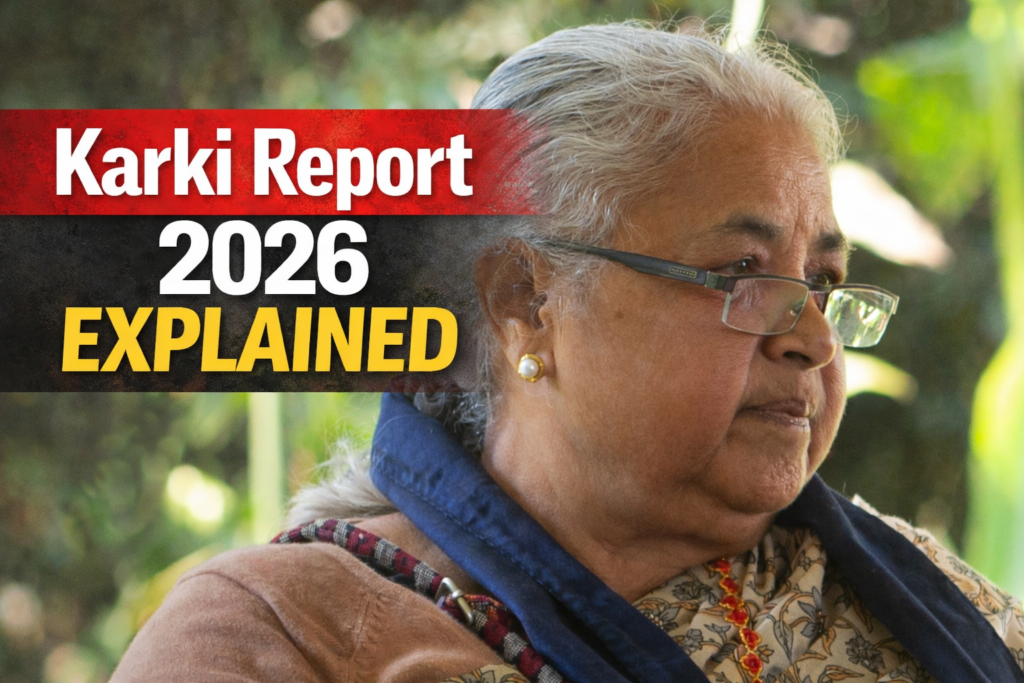
The Karki Commission Report 2026, led by former Chief Justice Sushila Karki, represents a critical policy document addressing Nepal’s recent political unrest. Established in response to widespread Gen Z-led protests, the commission provides an in-depth analysis of governance challenges, institutional weaknesses, and rising public dissatisfaction. Its findings offer important insights for policymakers, civil society, and governance stakeholders.
Nepal witnessed significant public protests in early 2026, largely driven by youth frustration over unemployment, corruption, and limited political accountability. In response, the government formed a high-level commission to investigate the root causes of unrest and recommend corrective measures.
The Karki Commission Report 2026 is the outcome of this effort, combining field consultations, institutional review, and policy analysis to assess the structural issues affecting governance.
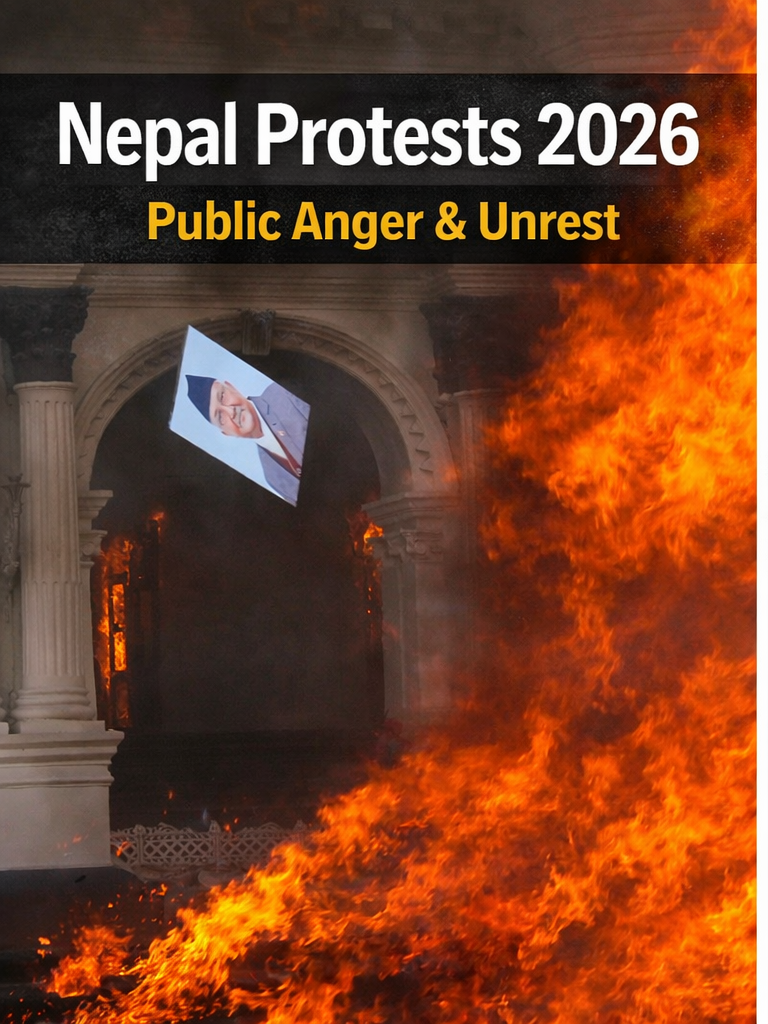
The report identifies persistent weaknesses in Nepal’s governance system, including poor coordination, ineffective implementation of policies, and lack of administrative efficiency.
A central finding is the growing dissatisfaction among youth, driven by limited employment opportunities, increasing migration, and exclusion from decision-making processes.
The report highlights ongoing challenges related to corruption in Nepal, emphasizing weak enforcement mechanisms and limited institutional accountability.
The commission also examines the state’s response to protests, raising concerns about use of force and its implications for public trust and human rights.
The findings of the Karki Commission Report 2026 carry several important policy implications:
These implications highlight that Nepal’s governance challenges are not isolated issues but part of broader systemic concerns.
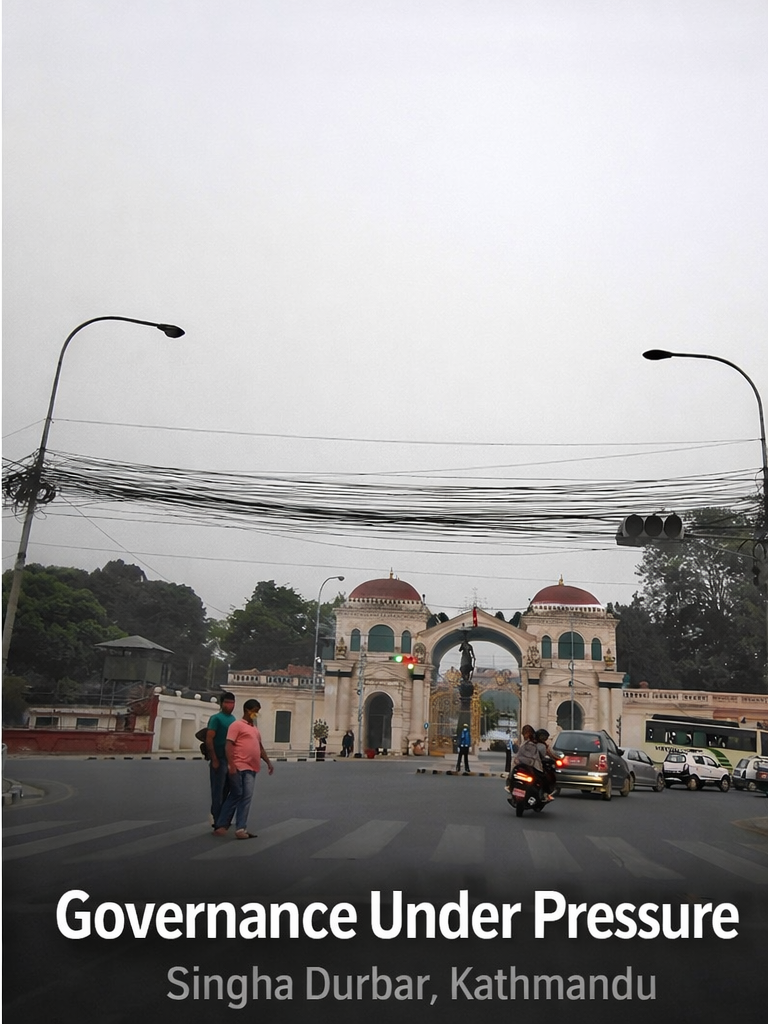
Singha Durbar, the administrative center of Nepal’s government.
The commission proposes a range of reforms aimed at addressing these challenges:
While the Karki Commission Report 2026 provides a comprehensive roadmap for reform, its implementation faces several challenges. One of the major issues is political resistance, as structural reforms often require strong commitment from leadership across parties.
Additionally, Nepal’s administrative system has historically shown slow adaptation to reform initiatives, which may delay the execution of the commission’s recommendations. Limited institutional capacity and coordination gaps between different government bodies could further hinder progress.
Another key challenge is maintaining public trust and engagement. While the report reflects the concerns of youth and civil society, effective implementation will require continuous dialogue, transparency, and accountability from the government.
Addressing these challenges will be essential to ensure that the recommendations of the Karki Commission Report 2026 translate into meaningful and lasting reforms.
The Karki Commission Report 2026 serves as a timely and important framework for addressing Nepal’s governance challenges. By highlighting institutional weaknesses, youth discontent, and accountability gaps, the report provides a clear direction for reform.
However, the success of the Karki Commission Report 2026 will ultimately depend on effective implementation and political commitment. Without concrete action, the issues identified in the report are likely to persist.
If properly implemented, the report has the potential to strengthen governance, rebuild public trust, and create a more inclusive and accountable political system in Nepal.
The report also highlights the need for long-term institutional stability and continuous monitoring to ensure that reforms are effectively implemented across all levels of government.