

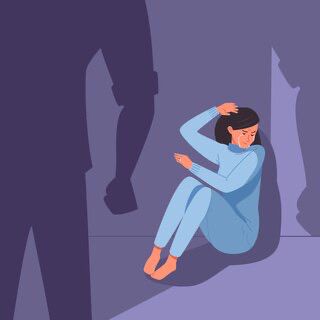
On March 7, 2026, Inisa BK, 16, was found unconscious in a community forest in Surkhet, sparking outrage across Nepal. For a moment, the nation seemed united in grief and anger, demanding justice and accountability. But this outrage is not new. In 2021, 17-year-old Bhagirathi Bhatta went missing on her way home from school and was found dead the next day. A year earlier, 13-year-old Angira Pasi was found dead after reportedly being assaulted. In 2018, both Pramila Tharu, 14, and Nirmala Panta, 13, became names that briefly dominated headlines before fading into silence. These cases, though separated by time and place, reveal a disturbing pattern, one where violence against young girls is followed by momentary outrage, but rarely sustained accountability.
The Scale of the Crisis
The scale of gender-based violence in Nepal extends far beyond isolated incidents, reflecting both systemic challenges and limitations within legal and institutional frameworks. In recent years, thousands of complaints have been recorded annually, including over 2,500 reported cases of rape, alongside hundreds of attempted assaults and child abuse cases. Over the past decades, reported incidents have accumulated into the tens of thousands, indicating not only increased reporting but also the persistence of violence across society. However, these figures only represent reported cases, leaving a significant portion of incidents unrecorded due to stigma, fear and lack of trust in the justice system. At the same time, limited transparency regarding prosecution and conviction rates raises concerns about how effectively these cases are resolved.
Nepal’s legal framework has undergone reforms, particularly following international pressure, including recommendations from United Nations bodies. Under the Muluki Criminal Code 2074, rape is broadly defined as sexual intercourse without consent, with further expansion to include acts such as oral intercourse and object penetration. The law also recognizes all sexual activity with individuals under 18 as rape regardless of consent. Additionally, the statute of limitations for filing rape cases was extended from 35 days to one year. Despite these improvements, concerns remain regarding both the structure and implementation of the law.
One major limitation lies in sentencing provisions, which vary depending on multiple factors, including the age of the victim and the circumstances of the offense. While cases involving very young or highly vulnerable victims may result in life imprisonment, offenses involving adults typically carry comparatively lower sentences. This creates concerns regarding proportionality and consistency in punishment. Furthermore, although marital rape is legally recognized, its enforcement remains weak in practice, limiting its effectiveness as a protective legal provisio
Despite these legal reforms, enforcement gaps persist. Data from Nepal Police over recent years shows a steady number of reported rape and attempted rape cases, with rape consistently ranking among the most common crimes against women and children. However, conviction rates remain uncertain, and many cases do not result in timely or effective justice. Reports also indicate that victims, particularly from marginalized communities, face additional barriers such as social stigma, pressure from families or communities and lack of institutional support. These challenges contribute to underreporting and reinforce silence around sexual violence. In several instances, unresolved cases and controversial legal outcomes have further undermined public confidence in the system.
Societal Attitudes: Normalization, Silence and Power
While legal gaps and weak enforcement contribute to the persistence of gender-based violence, the role of societal attitudes in Nepal cannot be overlooked. A significant proportion of victims, many of them adolescents, do not report cases of sexual violence due to fear of stigma, social exclusion, and the potential damage to family reputation. Studies indicate that a majority of survivors face judgment rather than support, with many forced to distance themselves from their own families. In this context, violence is often treated not as a public crime, but as a private matter to be concealed.
More concerningly, harmful beliefs surrounding sexual violence continue to persist within communities. Research has shown a positive correlation between education levels and the presence of rape myths, including notions that victims “provoke” violence through their behavior or clothing, that physical resistance is necessary to validate assault, or that such acts are driven by uncontrollable biological impulses. These beliefs do not merely reflect ignorance, they actively shift responsibility away from perpetrators and onto victims, reinforcing a culture where accountability is diluted.
This normalization is further complicated by the role of power and influence. For instance, the recommendation of Krishnaman Pradhan for a constitutional position despite allegations of sexual abuse raised serious concerns about how accountability is overlooked at the highest levels of authority. Similarly, in the case involving Bhuvan Giri, the victim faced a prolonged and difficult legal battle, reflecting the barriers survivors often encounter even when pursuing justice. Other high-profile cases have also seen controversial acquittals or reversals, particularly when influential individuals are involved. These examples highlight a troubling pattern in which legal processes are not only inconsistent and delayed, but at times shaped by external pressures such as political influence, financial settlements, or social coercion.
Data from law enforcement agencies further reflects the scale of the issue, with thousands of reported rape and attempted rape cases over recent years, yet many perpetrators remaining outside the scope of punishment due to ongoing investigations, lack of evidence, or systemic delays. At the same time, experts and officials acknowledge that many cases go unreported entirely, suggesting that official statistics represent only a fraction of the reality. This gap between reported incidents and actual experiences underscores the extent to which silence and underreporting remain embedded within society.
Conclusion
These patterns reveal that gender-based violence is not sustained by individual actions alone, but by a broader social environment that normalizes silence, tolerates inequality and often prioritizes reputation over justice. When victims are discouraged from speaking, when communities shift blame and when institutions fail to act consistently, society itself becomes complicit. In this sense, the issue is not only about those who commit acts of violence, but about the collective attitudes that allow such acts to continue.
From a societal standpoint, the persistent struggles faced by Nepalese women reflect deeper structural inequalities rooted in patriarchal norms that continue to shape social expectations and limit autonomy. Despite legal provisions and penalties under frameworks such as the Muluki Criminal Code, a lack of awareness, weak enforcement and societal attitudes often undermine their effectiveness.
Addressing these issues therefore requires more than legal reform alone. It demands coordinated efforts from the government, civil society, educational institutions and communities to challenge stigma, promote awareness and reshape societal attitudes. Only through such collective action can the cycle of silence and discrimination, allowing survivors to seek justice with dignity and restoring accountability within both society and its institutions.
Ultimately, if these patterns persist, cases such as those of Inisa BK and Nirmala Panta will continue to reflect a recurring cycle in which justice remains elusive and gender-based violence continues to be normalized rather than effectively addressed.